Contamination control is one of the most important priorities in any cleanroom environment. Whether you work in pharmaceuticals, electronics manufacturing, biotechnology, aerospace, or research laboratories, even a small amount of contamination can compromise product quality, affect test results, and increase operational costs. One effective way to minimize these risks is by using a cleanroom workbench designed specifically for controlled environments.
But when does a cleanroom workbench actually reduce contamination risk? Understanding the conditions, proper usage, and benefits of this equipment can help you maintain a cleaner, safer, and more productive workspace.
Understanding the Role of a Cleanroom Workbench
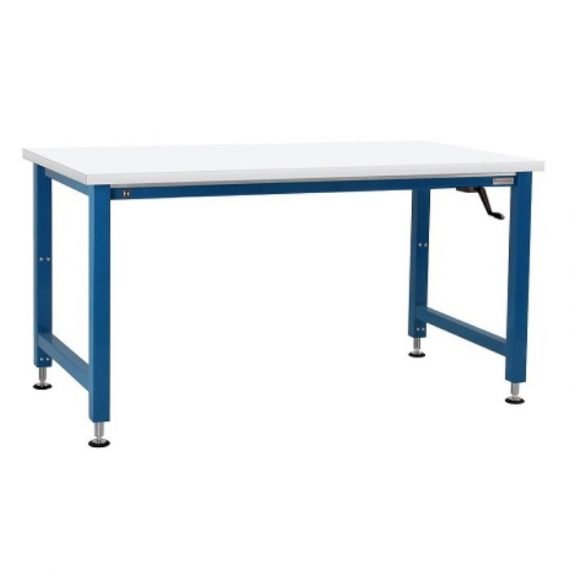
A cleanroom workbench is a specialized workstation designed to support contamination-sensitive processes. Unlike standard tables or workstations, cleanroom workbenches are manufactured using materials and designs that minimize particle generation, are easy to clean, and meet strict cleanliness requirements.
When properly integrated into a cleanroom, a stainless steel cleanroom workbench for contamination-controlled environments can significantly reduce the introduction and spread of particles, dust, microbes, and other contaminants.
When a Cleanroom Workbench Reduces Contamination Risk
When You Handle Sensitive Materials
If your work involves sterile products, electronic components, laboratory samples, or precision instruments, contamination can lead to product failures or inaccurate results.
A cleanroom workbench provides a dedicated and controlled work surface that minimizes exposure to external contaminants. By separating sensitive tasks from general work areas, you reduce the likelihood of contamination entering critical processes.
When the Workbench Is Made from Cleanroom-Compatible Materials
The material of the workstation plays a major role in contamination control. High-quality stainless steel workbenches are preferred because they resist corrosion, shed fewer particles, and withstand frequent cleaning and disinfection.
When you use a workbench specifically designed for cleanroom environments, you eliminate many contamination sources commonly associated with conventional furniture.
When Proper Cleaning Procedures Are Followed
Even the best equipment cannot reduce contamination without regular maintenance. A cleanroom workbench becomes highly effective when you follow a strict cleaning schedule.
You should:
- Wipe surfaces with approved cleaning agents.
- Remove debris immediately.
- Disinfect work areas before and after use.
- Inspect surfaces regularly for wear or damage.
Consistent cleaning prevents contaminants from accumulating and spreading throughout the cleanroom.
When Personnel Follow Cleanroom Protocols
Human activity is one of the largest sources of contamination in cleanrooms. Particles from skin, clothing, and movement can easily enter controlled environments.
A cleanroom workbench reduces contamination risk when users follow proper procedures, including:
- Wearing appropriate cleanroom garments.
- Using gloves and protective equipment.
- Limiting unnecessary movement.
- Following established handling procedures.
Combining proper personnel practices with a dedicated cleanroom workstation creates a stronger contamination control strategy.
When Workflows Are Properly Organized
Disorganized workspaces often contribute to contamination. Tools, materials, and equipment placed randomly can increase contact points and particle generation.
A cleanroom workbench helps reduce contamination when you organize materials efficiently. Keeping frequently used tools within reach and maintaining designated work zones minimizes unnecessary handling and movement.
Well-organized workflows also improve productivity while supporting cleanliness standards.
When Airflow Systems Support the Work Area
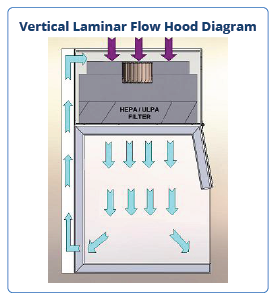
Many cleanrooms use controlled airflow systems to remove airborne particles. A cleanroom workbench works best when positioned correctly within the room’s airflow design.
Proper placement helps ensure that clean air continuously flows across the work surface while contaminants are carried away from sensitive processes. Coordinating workstation placement with airflow management significantly enhances contamination control.
When Cross-Contamination Must Be Prevented
In environments where multiple products, materials, or experiments are handled, cross-contamination can become a serious concern.
A dedicated cleanroom workbench creates a controlled area for specific tasks, reducing the transfer of contaminants between projects. This separation is particularly valuable in pharmaceutical manufacturing, laboratory testing, and semiconductor production.
Additional Benefits Beyond Contamination Control
While contamination reduction is the primary goal, a cleanroom workbench offers several additional advantages:
- Improved workplace organization
- Easier cleaning and maintenance
- Enhanced employee productivity
- Greater compliance with industry standards
- Increased product quality and consistency
- Long-term durability and reliability
Investing in quality cleanroom equipment often delivers measurable operational benefits beyond cleanliness alone.
Choosing the Right Cleanroom Workbench
Not all workbenches are designed for the same applications. When selecting a workstation, consider:
- Cleanroom classification requirements
- Material compatibility
- Load capacity
- Workspace dimensions
- Storage needs
- Chemical resistance requirements
Working with an experienced manufacturer can help ensure you select equipment that meets your operational and regulatory requirements.
For organizations seeking dependable cleanroom solutions, CleaTech LLC cleanroom equipment and contamination control solutions offers a wide range of workbenches and cleanroom products designed to support demanding controlled environments.
Conclusion
A cleanroom workbench reduces contamination risk when it is properly designed, correctly maintained, and used within established cleanroom procedures. From handling sensitive materials to supporting organized workflows and preventing cross-contamination, these specialized workstations play a critical role in maintaining clean environments.
By choosing high-quality equipment, implementing effective cleaning protocols, and training personnel on best practices, you can significantly improve contamination control and protect the integrity of your operations.
If you are looking for customized cleanroom workstations and contamination-control solutions, contact us today for expert cleanroom workbench guidance and support.
Frequently Asked Questions
What is a cleanroom workbench?
A cleanroom workbench is a specialized workstation designed to minimize particle generation and support contamination-sensitive processes in controlled environments.
Why is stainless steel commonly used for cleanroom workbenches?
Stainless steel is durable, corrosion-resistant, easy to sanitize, and produces minimal particles, making it ideal for cleanroom applications.
Can a cleanroom workbench eliminate contamination completely?
No. A cleanroom workbench helps reduce contamination risk, but effective contamination control also requires proper cleaning procedures, airflow management, and personnel practices.
Which industries commonly use cleanroom workbenches?
Industries such as pharmaceuticals, biotechnology, electronics manufacturing, aerospace, medical device production, and research laboratories frequently use cleanroom workbenches.
How often should a cleanroom workbench be cleaned?
Cleaning frequency depends on the application and cleanroom classification. Most facilities clean and disinfect workbenches daily or after each critical process.
How do I choose the right cleanroom workbench?
Consider factors such as cleanroom classification, material requirements, workspace dimensions, load capacity, and the specific processes being performed.