When you invest in laboratory equipment, choosing based only on price or appearance can lead to long-term challenges. A laminar flow hood is a critical system designed to provide a clean and controlled workspace, so its performance should always be your first consideration. Before making a purchase decision, you need to evaluate airflow quality, filtration efficiency, workspace design, durability, and reliability to ensure the equipment supports your laboratory requirements.
A high-performing laminar flow hood helps you maintain contamination control, improve process accuracy, and protect sensitive materials during research, testing, and manufacturing operations. By focusing on performance before buying, you can select a system that delivers consistent results and creates a safer, more efficient working environment.
Why Is Performance Important When Choosing a Laminar Flow Hood?
The primary purpose of a laminar flow hood is to create a controlled airflow environment that minimizes airborne contaminants. If the system does not perform efficiently, your samples, products, or experiments may be exposed to unwanted particles that affect accuracy and quality.
When you compare different models, you should examine important performance factors such as airflow velocity, HEPA filtration efficiency, noise levels, and operational stability. A reliable system maintains uniform airflow across the workspace, reducing turbulence and helping you achieve dependable results.
Choosing a performance-focused solution allows you to avoid frequent maintenance issues, unexpected downtime, and possible contamination-related losses.
How Does Airflow Performance Affect Laboratory Operations?
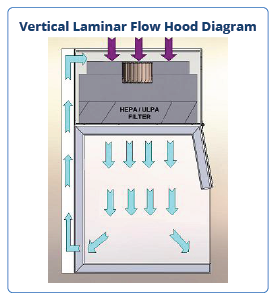
Airflow is one of the most important factors that determines the effectiveness of a laminar flow hood. A properly designed system creates a continuous stream of filtered air that moves smoothly across the work area.
You should consider whether the hood provides:
- Consistent airflow distribution
- Proper air velocity for your application
- Stable protection for sensitive materials
- Reduced risk of contamination
Poor airflow performance can create uneven protection zones where contaminants may enter the workspace. Before purchasing, review airflow specifications and ensure the system matches your application requirements.
Why Should You Evaluate Filtration Efficiency?
Filtration plays a major role in maintaining a clean working environment. Most laminar flow hoods use HEPA filters to capture airborne particles and provide cleaner air for laboratory processes.
Before buying, check:
- Filter quality and efficiency ratings
- Filter replacement requirements
- Ease of maintenance access
- Long-term filtration performance
A high-quality filtration system improves cleanliness and supports applications that require precise environmental control. Whether you work in biotechnology, electronics, pharmaceuticals, or research laboratories, effective filtration directly impacts productivity and reliability.
How Does Build Quality Influence Long-Term Performance?
A laminar flow hood is a long-term investment, so durability should not be overlooked. The materials, construction quality, and engineering design directly affect how well the equipment performs over time.
You should look for features such as:
- Strong and corrosion-resistant construction
- Easy-to-clean interior surfaces
- Reliable electrical components
- User-friendly controls
A well-built system reduces maintenance requirements and provides consistent operation even under demanding laboratory conditions.
Why Should You Match Performance With Your Application Needs?
Every laboratory has different requirements. A system designed for one application may not provide the right performance for another. Before selecting equipment, identify your specific needs, including workspace size, contamination control requirements, and workflow expectations.
For example, research laboratories may require precise clean air conditions, while manufacturing environments may need continuous operation and enhanced durability.
Exploring options for a buy a reliable laminar flow hood for laboratory contamination control and clean workspace protection helps you compare solutions based on actual performance requirements rather than cost alone.
How Can Performance Improve Cost Efficiency?
Many buyers focus on the initial purchase price, but the total value of a laminar flow hood depends on its long-term performance. A reliable system can reduce operational expenses by minimizing failures, improving productivity, and extending equipment life.
A high-performance hood helps you:
- Reduce contamination risks
- Improve workflow efficiency
- Lower maintenance frequency
- Protect valuable samples and materials
Investing in quality equipment today can prevent expensive problems in the future.
Why Choose a Trusted Laboratory Equipment Provider?
Selecting the right supplier is just as important as choosing the right equipment. A trusted manufacturer provides better product quality, technical guidance, and support throughout the equipment lifecycle.
CleaTech LLC focuses on providing laboratory and cleanroom solutions designed for reliable performance, quality control, and operational efficiency. Working with an experienced provider helps you select equipment that aligns with your laboratory goals.
Before finalizing your purchase, discuss your requirements with specialists who can guide you toward the most suitable configuration. You can also Contact us today to learn more about selecting the right laminar flow hood for your application.
What Should You Check Before Buying a Laminar Flow Hood?
Before making your final decision, create a checklist that includes:
- Required airflow direction
- Filtration specifications
- Workspace dimensions
- Construction materials
- Maintenance requirements
- Energy efficiency
- Manufacturer support
Evaluating these factors ensures that your investment delivers reliable performance and meets your operational expectations.
Conclusion
Performance should always come before price when buying a laminar flow hood. A well-performing system provides cleaner airflow, better contamination control, improved reliability, and greater long-term value.
By analyzing airflow efficiency, filtration capability, construction quality, and application suitability, you can choose equipment that supports your laboratory operations effectively. Selecting the right laminar flow hood is not just about purchasing equipment—it is about creating a dependable environment where accuracy, safety, and productivity can thrive.
Frequently Asked Questions
Why should performance be considered before buying a laminar flow hood?
Performance determines how effectively the hood maintains clean airflow, reduces contamination risks, and supports accurate laboratory processes. A high-performing system provides better reliability and long-term value.
What airflow features should I check in a laminar flow hood?
You should evaluate airflow uniformity, velocity, stability, and direction to ensure the hood provides consistent protection for your specific application.
How does filtration affect laminar flow hood performance?
Efficient filtration removes airborne particles and maintains a cleaner workspace. High-quality HEPA filtration improves contamination control and supports sensitive laboratory procedures.
Can a low-cost laminar flow hood provide good performance?
A lower price does not always guarantee reliable performance. You should compare specifications, durability, filtration quality, and support services before making a decision.
How do I choose the right laminar flow hood for my laboratory?
Consider your application requirements, workspace needs, airflow preferences, maintenance expectations, and equipment quality before selecting a model.