Maintaining a clean working environment is essential when you handle sensitive materials, sterile products, or precision components. Even microscopic airborne particles can compromise research, damage electronics, or contaminate pharmaceutical preparations. If you work in laboratories, cleanrooms, medical facilities, or manufacturing environments, you need reliable contamination control that protects your workflow.
A vertical laminar flow hood is specifically designed to minimize airborne contamination by delivering a continuous stream of highly filtered air over the work surface. Understanding how this equipment functions helps you make informed decisions when selecting contamination control solutions for your facility.
What Is a Vertical Laminar Flow Hood?
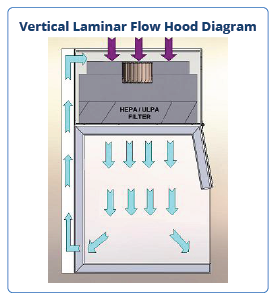
A vertical laminar flow hood is an enclosed workstation that directs HEPA- or ULPA-filtered air downward from the top of the cabinet toward the work surface. This controlled airflow creates a clean environment by continuously sweeping airborne particles away from your products and work area.
Unlike turbulent airflow, laminar airflow moves in parallel layers, preventing contaminants from circulating unpredictably. This steady airflow is one of the primary reasons these systems are widely used in laboratories, electronics manufacturing, pharmaceutical production, and research facilities.
How Does Vertical Airflow Reduce Airborne Contamination?
The effectiveness of a vertical laminar flow hood comes from several working principles that operate together.
High-Efficiency Air Filtration
The process begins by drawing room air into the system. Before reaching your workspace, the air passes through a high-efficiency particulate air (HEPA) filter or an ultra-low particulate air (ULPA) filter.
These filters remove the overwhelming majority of microscopic airborne particles, including:
- Dust
- Pollen
- Mold spores
- Bacteria
- Fine particulates
As a result, only exceptionally clean air reaches your working area.
Continuous Downward Airflow
Once filtered, clean air moves vertically from the top of the hood toward the work surface.
This downward airflow continuously pushes airborne contaminants away from your samples instead of allowing them to settle. Because the airflow remains consistent, contamination has fewer opportunities to accumulate around sensitive materials.
Prevention of Air Turbulence
Random air movement allows particles to circulate throughout a workspace.
A vertical laminar flow hood minimizes turbulence by maintaining uniform airflow across the entire work area. This controlled movement reduces the chance that airborne particles will re-enter the critical zone where your work is performed.
Protection for Sensitive Materials
If you prepare sterile media, assemble medical devices, inspect electronics, or conduct precision laboratory work, contaminants can quickly affect quality.
The clean airflow protects:
- Laboratory samples
- Optical components
- Semiconductor devices
- Medical equipment
- Pharmaceutical preparations
- Precision instruments
By reducing airborne particles, the hood helps preserve product integrity throughout the process.
Why Is HEPA Filtration So Important?
HEPA filtration serves as the foundation of contamination control.
Without effective filtration, even the best airflow design cannot provide a consistently clean workspace.
A quality HEPA filter captures microscopic contaminants before they reach your work area, significantly improving environmental cleanliness while supporting regulatory cleanliness requirements in controlled environments.
When combined with proper maintenance, HEPA filtration delivers long-term contamination protection.
Where Are Vertical Laminar Flow Hoods Commonly Used?
Many industries rely on vertical laminar flow technology because maintaining product cleanliness directly impacts quality and reliability.
Common applications include:
- Pharmaceutical laboratories
- Biotechnology research
- Hospital laboratories
- Medical device manufacturing
- Semiconductor production
- Aerospace component assembly
- Food testing laboratories
- Optical manufacturing
- University research facilities
- Cleanroom operations
Each application benefits from reduced particulate contamination during sensitive procedures.
What Makes Vertical Airflow Different from Horizontal Airflow?
Although both systems provide clean air, vertical airflow offers unique operational advantages.
The filtered air moves downward instead of directly toward the operator. This design reduces airflow obstruction caused by larger equipment positioned on the work surface while allowing contaminants to exit more efficiently through the front opening.
Vertical airflow also provides greater flexibility when working with taller instruments or equipment that might interrupt horizontal airflow patterns.
Best Practices to Maximize Contamination Control
Even the best equipment performs optimally only when used correctly.
You can improve contamination control by following several simple practices:
- Clean the workspace before every use.
- Avoid blocking the airflow with oversized equipment.
- Arrange materials to maintain unobstructed airflow.
- Limit unnecessary hand movements.
- Keep doors and windows closed when possible.
- Replace HEPA filters according to maintenance schedules.
- Perform routine airflow verification and certification.
- Train operators on proper hood usage.
Consistent operating procedures help maintain the clean environment created by the system.
Choosing the Right Vertical Laminar Flow Hood
Not every laboratory has identical requirements.
Before purchasing a system, consider:
- Workspace dimensions
- Required cleanliness level
- HEPA or ULPA filtration options
- Airflow velocity
- Construction material
- Lighting
- Noise level
- Energy efficiency
- Maintenance accessibility
- Compliance with applicable industry standards
Selecting equipment that matches your workflow ensures better long-term performance and productivity.
If you’re looking for a high-performance vertical laminar flow hood for sterile laboratory contamination control, explore the advanced solutions offered by Vertical Laminar Flow Hood to support clean and controlled work environments.
You can also learn more about CleaTech LLC’s contamination control and cleanroom equipment solutions by visiting CleaTech LLC. If you need assistance selecting the right system for your application, Contact us today to discuss your laboratory or manufacturing requirements with experienced specialists.
Conclusion
A vertical laminar flow hood plays a vital role in reducing airborne contamination by combining advanced HEPA filtration with uniform downward airflow. This continuous stream of clean air protects sensitive materials from dust, microorganisms, and other airborne particles that could compromise quality.
Whether you work in pharmaceutical manufacturing, electronics assembly, biotechnology, or laboratory research, investing in the right contamination control equipment helps improve product quality, maintain process consistency, and support reliable results. By understanding how vertical airflow works and following proper operating practices, you can create a cleaner and more productive workspace.
Frequently Asked Questions
How does a vertical laminar flow hood reduce airborne contamination?
It removes airborne particles using HEPA or ULPA filtration and delivers clean, downward airflow that continuously sweeps contaminants away from the work surface.
Does a vertical laminar flow hood protect the operator?
No. A vertical laminar flow hood primarily protects the product or sample. It is not designed to provide personnel or hazardous chemical protection.
How often should HEPA filters be replaced?
Replacement depends on usage, operating conditions, and certification results. Regular inspections and scheduled maintenance help ensure consistent filtration performance.
Which industries commonly use vertical laminar flow hoods?
They are widely used in pharmaceutical laboratories, biotechnology, electronics manufacturing, medical device production, cleanrooms, aerospace, and research facilities.
What should you avoid inside a vertical laminar flow hood?
Avoid blocking airflow with large equipment, overcrowding the workspace, making rapid hand movements, and neglecting routine cleaning or maintenance. These practices can reduce contamination control effectiveness.