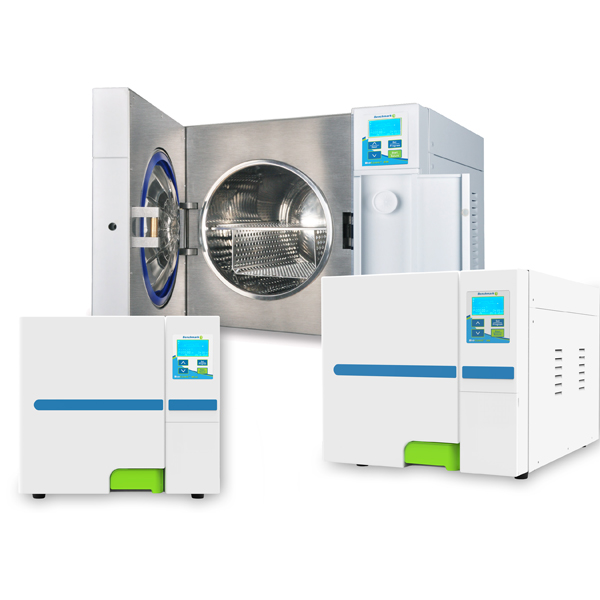
Choosing the right autoclave can make sterilization more consistent, efficient, and easier to manage in your laboratory. However, not every autoclave is designed for the same workload. Your materials, batch size, available space, operating requirements, and sterilization goals should guide your selection. By evaluating these factors carefully, you can choose equipment that fits your workflow without paying for features you do not need.
Understand What You Need to Sterilize
Start by identifying the materials you regularly sterilize. Laboratory autoclaves are commonly used for items such as glassware, laboratory instruments, media, containers, and certain waste materials.
Different loads may require different cycle conditions. Liquids, porous materials, wrapped instruments, and solid items can behave differently during sterilization. Make a list of your most frequent load types and determine which cycles your workflow requires.
You should also consider whether you need to process mixed loads. If your laboratory handles several material types, look for an autoclave that offers appropriate cycle options rather than relying on a single standard program.
Choose the Right Chamber Capacity
Capacity directly affects how efficiently you can process your workload. A small laboratory with limited daily requirements may not need a large chamber, while a busy facility can benefit from greater capacity.
Consider the size and quantity of items you sterilize during a typical cycle. Avoid choosing a chamber that is too small because frequent cycles can increase labor and operating time. At the same time, an unnecessarily large unit can consume valuable laboratory space and resources.
When comparing laboratory autoclaves for different sterilization workloads, consider both your current needs and expected future requirements. Choosing with future demand in mind can help you avoid replacing equipment prematurely.
Compare Cycle Types and Controls
Modern autoclaves may provide multiple sterilization programs designed for different load conditions. Look for controls that allow you to select suitable temperature, pressure, and cycle duration according to your application.
An intuitive control system can also reduce operating errors. Clear displays, programmable settings, cycle indicators, and automated functions can make routine sterilization easier for laboratory personnel.
You should also consider how much documentation your workflow requires. If you need to maintain detailed sterilization records, look for equipment with monitoring, reporting, or data-recording capabilities that support your laboratory’s procedures.
Consider Space, Loading, and Daily Operation
Your available laboratory space is another important selection factor. Measure the installation area before purchasing equipment and account for clearance needed for operation, maintenance, ventilation, and servicing.
Think about how the autoclave will be loaded and unloaded throughout the day. A chamber that technically fits your available space may still be inconvenient if staff cannot easily handle containers or racks.
You should also evaluate the equipment’s door configuration, chamber dimensions, loading height, and access requirements. These practical details can have a significant effect on everyday productivity.
If multiple people will operate the equipment, choose controls and operating procedures that are easy to understand and consistent with your laboratory’s established practices.
Evaluate Safety and Maintenance Requirements
Sterilization involves high temperature and pressure, so safety should remain a priority when selecting an autoclave. Look for appropriate safety mechanisms, monitoring systems, and protective features designed to reduce operating risks.
You should also consider routine maintenance. Ask what cleaning, inspection, testing, and preventive maintenance procedures are required. Easy access to important components can simplify servicing and reduce unnecessary downtime.
Before purchasing, review the manufacturer’s operating instructions and your laboratory’s applicable safety procedures. Your staff should understand loading practices, cycle selection, shutdown procedures, and what to do if a cycle does not complete correctly.
Match the Autoclave to Your Workflow
The right equipment should support your actual laboratory routine rather than simply offer the largest capacity or the most features. Review your daily workload, material types, cycle requirements, available space, documentation needs, and maintenance expectations together.
You can explore laboratory autoclaves for reliable steam sterilization applications at Global Lab Supply to compare equipment options for different laboratory requirements.
Before making a final decision, create a simple checklist of must-have features and optional features. This approach helps you focus on practical requirements and makes it easier to compare models.
For example, your checklist can include:
- Required chamber capacity
- Common load types
- Required sterilization cycles
- Temperature and pressure controls
- Safety features
- Available installation space
- Ease of loading and unloading
- Monitoring and documentation needs
- Maintenance requirements
- Expected future workload
If you need assistance evaluating equipment for your application, you can contact Global Lab Supply for laboratory autoclave selection guidance and discuss your specific requirements.
Frequently Asked Questions
What is a laboratory autoclave used for?
A laboratory autoclave uses controlled heat, pressure, and steam to sterilize suitable laboratory materials. Common applications include sterilizing glassware, instruments, laboratory media, containers, and certain types of laboratory waste.
How do you choose the right autoclave capacity?
Choose capacity based on your typical load size, daily sterilization frequency, available space, and future workload. A properly sized chamber can help you avoid unnecessary cycles while preventing you from purchasing equipment that is larger than your requirements.
What materials can be sterilized in an autoclave?
Suitable materials depend on the autoclave, container, and cycle. Glassware, certain instruments, laboratory media, and approved waste materials may be suitable. Always verify material compatibility and follow the manufacturer’s instructions before processing a load.
Why are different autoclave cycles important?
Different materials can require different sterilization conditions. Cycle options allow you to select appropriate parameters for specific loads, helping you manage different laboratory applications more effectively.
What should you consider besides autoclave capacity?
You should evaluate cycle options, controls, safety features, chamber dimensions, installation requirements, loading convenience, monitoring capabilities, maintenance needs, and compatibility with your laboratory workflow.