Field work depends on trust as much as timing. A client wants to know that a package was handled carefully and that instructions were followed. A supervisor wants to see what happened without chasing people for explanations. When a team shares the same plan and the same notes, decisions become easier. That clarity lowers tension during busy days.
Trust grows when information is consistent. If a stop requires an ID check or a quiet entrance, the instruction should appear in the same place each time. Drivers should not rely on memory or old screenshots. Short notes that stay attached to the stop help prevent disputes later, because everyone can point to the same record.
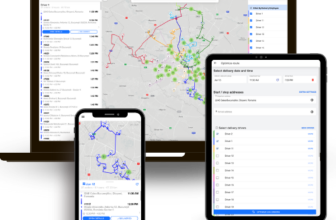
In this kind of work, delivery routing software can support a simple chain of custody for each stop. It can keep addresses, instructions, and status updates together. The benefit is not hype. It is fewer misunderstandings and fewer handoffs that rely on guesswork. When the team can show what was done, trust becomes practical.
Clear updates that reduce disputes
Most conflicts start with unclear expectations. A customer thinks a delivery should arrive before noon, while the driver received a different window. A dispatcher assumes a stop was completed, but the door was locked. These gaps create frustration that spreads across the team. A clear update routine reduces arguments because it defines what counts as done and what needs follow up.
For operations that handle many handoffs, courier routing software can help standardize proof. The goal is to document outcomes with simple language, not to flood the day with messages. A status, a short note, and a time stamp often solve more problems than a long call. When returns happen, the reason is already recorded and easy to review.
To make updates clear without slowing work, a small rule set helps:
- Write one sentence that states the result.
- Add one detail that explains an exception.
- Share one next step if action is needed.
These steps limit back and forth. They also protect new staff who are still learning how to report issues quickly.
Waste rounds that protect neighborhoods
Public facing routes must respect the community. Noise early in the morning, blocked sidewalks, and bins left in unsafe places can damage the community fast. Waste management routing software can support rounds that follow local constraints and reduce repeated complaints. The priority is coverage with care, not rushing. A route that fits the neighborhood lowers risk for crews and residents.
Waste work also carries accountability. If a street reports missed pickup, someone needs to verify what happened and when. When the team records access problems, overflow, or contamination, the next round can respond better. This is less about speed and more about reliability. Consistent documentation supports fair decisions when complaints arrive.
To protect crews and public spaces, many teams use small checks at each block:
- Approach the stop using the safest entry.
- Leave bins stable and clear of walkways.
- Note hazards like ice or broken lids.
- Report repeated overflow with a short tag.
These steps help prevent injuries and keep neighborhoods cleaner without extra drama.
Documentation that strengthens reviews and training
As routes grow, the work becomes part service and part compliance. Some deliveries require temperature checks. Some pickups require photo evidence. Some routes require safety notes for risk control. If records are scattered, audits become stressful. When records are consistent, audits feel like a review, not an interrogation. A team that documents calmly can focus on improving.
Learning also becomes faster when records are readable. Instead of blaming a driver for a late stop, a manager can see the real cause. Parking limits, security delays, or missing access codes show up in notes. This shifts the conversation from fault to fixes. It also supports fair planning, because the schedule can be built around real constraints.
A simple review habit keeps records useful. Once a week, choose one recurring issue and trace it across several days. Look for the same location, the same time, or the same instruction gap. Then adjust one rule or one note template. Small changes like this improve compliance and reduce repeated incidents without adding heavy oversight.
Staying stable during high pressure days
Disruptions are inevitable. Weather, road closures, and sudden volume can break a schedule that looked fine in the morning. Resilience is the ability to keep service safe and transparent when the plan fails. Teams do better when they prepare responses in advance. A clear fallback path protects drivers from risky shortcuts and protects customers from vague promises.
A resilient plan also considers people. Breaks, fuel stops, and safe loading time are not optional. When pressure rises, those needs are the first to be ignored, and mistakes follow. Building realistic buffers and clear escalation rules keeps the day humane. It also reduces hidden overtime and last minute panic that can damage morale.
Over time, resilience becomes a culture. When a disruption happens, the team logs the cause in plain words and shares a short adjustment. The next week, planning reflects that lesson. This turns problems into improvements.