Creating a beautiful outdoor space requires careful planning and the right materials. Many homeowners focus on plants, lighting, and furniture, but often overlook durable and functional elements that can elevate the entire area. A well-designed yard or garden blends aesthetics with practicality, ensuring that the space remains both attractive and usable throughout the year.
Functional design starts with understanding how people will use the space. Paths, borders, and seating areas need to be organized so that movement feels natural and effortless. Considering long-term durability is important, especially in climates with heavy rain or fluctuating temperatures.
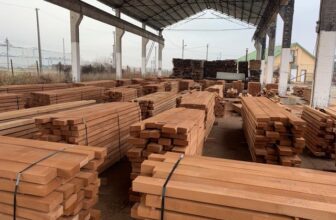
When it comes to creating robust outdoor structures, railway sleepers offer a versatile and enduring option. These thick wooden beams can be used in various applications, from garden edging and raised flower beds to retaining walls and steps. Their natural texture adds warmth and character to landscapes, blending well with both modern and traditional designs. Because they are solid and long-lasting, railway sleepers provide a foundation that can handle heavy use without deteriorating quickly.
Practical garden design ideas
Incorporating functional design elements makes any garden more inviting and useful. Planning your layout carefully ensures every area has a purpose. Consider how sunlight affects plants and seating areas, and use these insights to position features effectively. Paths should connect zones logically, creating a sense of flow and accessibility.
Choosing the right materials is essential for both beauty and longevity. Hardwoods, stone, and treated timber offer resilience against weather while providing a refined look. Materials should complement each other and the surrounding environment to create harmony. Proper planning can prevent future problems, such as soil erosion or drainage issues, making maintenance easier.
For those seeking step-by-step guidance, consider this simple approach:
- Define zones for relaxation, planting, and pathways.
- Select materials that match your style and climate conditions.
- Plan drainage to avoid water accumulation.
- Include seating areas for socializing or quiet reflection.
- Add lighting to extend usability into evenings.
- Introduce plants strategically for shade, privacy, and aesthetics.
- Regularly maintain surfaces and structures to ensure durability.
Creative outdoor enhancements
Adding creative touches can transform a simple garden into a memorable outdoor retreat. Small details often make the biggest impact, such as decorative planters, unique sculptures, or water features. These elements create focal points and enhance the atmosphere. A combination of colors, textures, and heights can make the space more dynamic and visually interesting.
One effective way to enhance gardens is by introducing layered planting areas. Raised beds and terraces provide depth and can separate functional zones. Combining plants of different heights and textures adds richness and variety. Pathways lined with contrasting materials can create a sense of direction and flow.
Here are a few practical ideas to enhance the beauty and functionality of any outdoor space:
- Install seating areas with cushions and shade options.
- Use native plants to support local wildlife and reduce maintenance.
- Incorporate decorative stones or mulch for pathways and borders.
- Include water features to attract birds and create ambient sound.
- Add lighting to highlight focal points and extend usability.
Maintaining long-lasting outdoor areas
Once your outdoor space is designed and constructed, proper maintenance ensures longevity and continued enjoyment. Regular inspections help identify issues like wear, rot, or erosion before they become major problems. Cleaning surfaces and treating wood or metal elements preserves their appearance and functionality. Scheduling routine maintenance for plants, pathways, and structures keeps the area safe and inviting.
Sustainable practices also contribute to long-term success. Composting, water conservation, and natural pest management enhance the health of your garden. Using durable materials reduces the need for frequent replacements, minimizing both cost and environmental impact. Keeping the space organized and tidy improves usability while retaining aesthetic appeal. Small, consistent efforts in maintenance make a significant difference in the overall experience.
Flexible outdoor solutions allow adjustments over time. Adding seasonal decorations or changing furniture placement keeps the space fresh. Replacing worn elements with durable options maintains a polished look. Gardens that evolve with the seasons and respond to lifestyle changes remain functional and visually engaging.
Durable solutions for year-round enjoyment
Creating functional and beautiful outdoor spaces is an investment in lifestyle and property value. Attention to design, materials, and maintenance ensures that gardens remain attractive, practical, and enjoyable year-round. Durable solutions like raised beds, seating areas, and quality materials prevent common problems while enhancing aesthetics. Thoughtful planning and creative touches make even ordinary spaces extraordinary, offering comfort, beauty, and functionality.
A well-maintained outdoor area promotes relaxation, socialization, and enjoyment of nature. Incorporating practical and decorative elements balances form and function. Over time, these spaces become cherished extensions of your home, reflecting personal style and lifestyle choices.
By carefully considering every element, from layout to materials, you can create a garden that stands out while remaining practical and low-maintenance. Outdoor spaces designed with both beauty and utility in mind provide lasting satisfaction and an enhanced living experience.