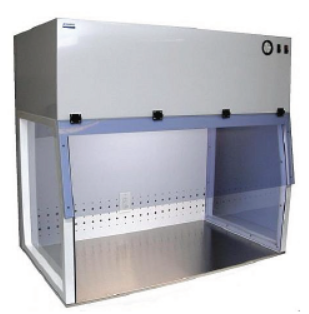
Milk and dairy products are among the most widely consumed foods worldwide, valued for their nutritional benefits. However, because milk is a perishable commodity, it is highly vulnerable to contamination, spoilage, and adulteration. To safeguard public health and maintain consumer trust, specialized testing facilities play a crucial role in monitoring the safety, purity, and overall quality of dairy. A milk testing laboratory provides comprehensive analytical services that ensure every batch meets regulatory requirements, industry standards, and consumer expectations.
Why Milk Testing Matters
Milk can serve as a carrier for bacteria, chemical residues, and adulterants if not properly monitored. From farm collection to processing and distribution, numerous factors affect its safety and quality. Contaminated feed, poor hygiene practices, environmental pollutants, or intentional adulteration with substances like water, urea, or starch can compromise its integrity.
If unchecked, these impurities may lead to foodborne illnesses, nutritional deficiencies, or economic fraud. This is why routine testing by accredited laboratories is essential—not only to protect consumers but also to help dairy producers meet stringent national and international regulations.
Core Functions of a Milk Testing Laboratory
A milk testing laboratory performs a wide range of analyses, each aimed at addressing specific safety and quality concerns:
- Microbiological Testing
Detects harmful bacteria such as E. coli, Salmonella, Listeria, and Staphylococcus aureus. Rapid tests and culture-based methods help ensure milk is free from pathogens that could cause serious health risks. - Chemical Residue Analysis
Screens for antibiotics, pesticides, heavy metals, and hormones that may remain in milk due to agricultural practices. Even trace levels can affect consumer health and lead to regulatory violations. - Adulteration Detection
Identifies intentional dilution or contamination with substances like water, starch, detergents, or synthetic milk. Such practices compromise nutritional value and are considered food fraud. - Nutritional Profiling
Measures essential nutrients including fats, proteins, carbohydrates, vitamins, and minerals. This ensures products meet labeling claims and deliver expected dietary benefits. - Physical Property Testing
Evaluates attributes such as pH, density, and freezing point. These properties help verify milk’s authenticity and detect inconsistencies caused by adulteration or spoilage. - Shelf-Life and Stability Testing
Assesses how long milk and dairy products remain safe for consumption under specified storage conditions. This is vital for accurate expiration dating and consumer safety.
Ensuring Compliance with Standards
Globally, dairy producers must comply with strict regulations set by organizations such as the U.S. Food and Drug Administration (FDA), the European Food Safety Authority (EFSA), and the Food Safety and Standards Authority of India (FSSAI). A milk testing laboratory ensures compliance by applying validated methods and technologies that align with these agencies’ requirements.
Additionally, certification from international standards like ISO/IEC 17025 provides credibility, demonstrating that the laboratory operates with technical competence and reliable results.
Advanced Techniques Used in Milk Testing
Modern laboratories use a blend of classical and advanced technologies to achieve high accuracy in testing:
- Chromatography (HPLC, GC) for detecting residues of pesticides, antibiotics, and chemical contaminants.
- Mass spectrometry for identifying trace impurities with precision.
- Polymerase Chain Reaction (PCR) for rapid detection of microbial DNA.
- Spectrophotometry and infrared analysis for determining fat, protein, and lactose content.
- Enzyme-linked immunosorbent assays (ELISA) for detecting allergens and toxins.
These methods provide both qualitative and quantitative data, giving dairy producers actionable insights for improving safety and efficiency.
Benefits for Producers and Consumers
The role of a milk testing laboratory extends beyond regulatory compliance—it brings value to the entire supply chain:
- Consumer Safety: Prevents contaminated products from reaching the market.
- Brand Protection: Builds consumer confidence through consistent quality.
- Process Optimization: Helps producers identify weaknesses in their operations, from animal health management to processing conditions.
- International Trade Readiness: Ensures dairy products meet import/export standards in global markets.
- Cost Savings: Reduces losses from product recalls, regulatory penalties, and wasted raw materials.
The Role of Independent Testing Partners
Many dairy producers rely on independent laboratories to provide unbiased testing services. Independent labs offer expertise, advanced equipment, and impartial results that are critical for compliance and brand credibility. Among such providers, Kendrick Labs, Inc is recognized for its scientific rigor and commitment to supporting the food and biopharmaceutical industries with reliable analytical testing.
Future Trends in Milk Testing
As the dairy industry evolves, so too does the role of testing laboratories. Emerging trends include:
- Rapid On-Site Testing: Portable testing kits and real-time data tools are improving farm-to-plant monitoring.
- Automation and Robotics: Enhancing accuracy and efficiency in large-scale laboratories.
- Artificial Intelligence (AI) Integration: Supporting predictive analytics to prevent contamination risks.
- Greater Transparency: Meeting growing consumer demand for traceability from farm to table.
These advancements promise to make milk testing more efficient, cost-effective, and aligned with sustainability goals.
Conclusion
A milk testing laboratory serves as a cornerstone of food safety and quality assurance in the dairy industry. By detecting contaminants, verifying nutritional claims, and ensuring compliance with regulatory standards, these laboratories protect both consumers and producers. In an era of heightened consumer awareness and stricter global regulations, their role is more vital than ever.
For those seeking reliable information on laboratory testing services for food safety and quality, Click Here to learn more about how a professional milk testing laboratory can safeguard products and ensure compliance.