When you work in a laboratory, safety is not optional—it is foundational. Whether you handle volatile solvents, corrosive acids, or fine powders, you expose yourself to potential airborne hazards every day. To protect yourself, your team, and your research, you need reliable containment solutions. That is where benchtop fume hoods make a measurable difference.
By integrating high-efficiency filtration, controlled airflow, and compact design, benchtop fume hoods significantly reduce chemical exposure and improve overall laboratory safety. Here’s how you can use them effectively to create a safer, more compliant work environment.
You Control Hazardous Vapors at the Source
The most important safety advantage of benchtop fume hoods is source containment. Instead of allowing fumes to disperse into the general lab atmosphere, you capture them immediately where they are generated.
When you conduct experiments involving solvents like ethanol, acetone, or formaldehyde, vapors can accumulate quickly. A benchtop hood draws contaminated air away from your breathing zone and passes it through advanced filtration systems before releasing clean air back into the room.
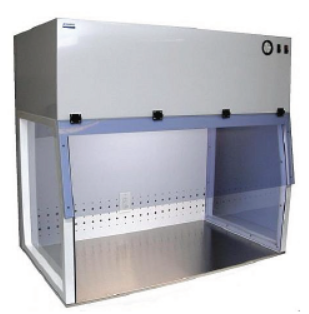
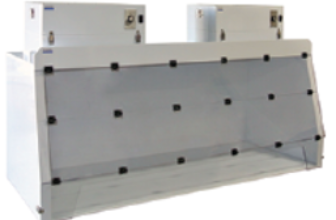
By using portable ductless benchtop fume hoods for laboratory chemical safety, you ensure your lab uses compact containment systems designed specifically for modern workspaces.
You Reduce Inhalation Risks
Inhalation is one of the most common routes of chemical exposure in laboratories. Without proper ventilation, even low-level exposure over time can lead to respiratory irritation, headaches, or long-term health complications.
When you position your procedures inside a benchtop fume hood:
- Airflow moves away from you.
- Hazardous particulates are filtered before circulation.
- Your breathing zone remains protected.
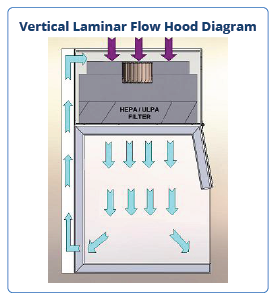
This directional airflow creates a protective barrier between you and harmful contaminants. Unlike open bench work, you are not relying solely on room ventilation systems.
You Improve Chemical Handling Compliance
Regulatory compliance is essential in academic, pharmaceutical, electronics, and industrial labs. Safety audits often focus on ventilation and containment procedures.
Using benchtop fume hoods helps you:
- Meet OSHA laboratory ventilation guidelines
- Follow safe chemical handling protocols
- Document containment measures during inspections
When you source equipment from trusted manufacturers like CleaTech LLC, you benefit from engineered systems designed for durability, efficiency, and regulatory alignment. Their laboratory containment solutions are built to support both small research labs and industrial environments.
You Enhance Flexibility Without Sacrificing Safety
Traditional ducted fume hoods require major infrastructure, including external ductwork and HVAC modifications. That setup is costly and immobile.
Benchtop fume hoods offer flexibility:
- Portable placement
- No major structural installation
- Easy relocation within the lab
- Ideal for temporary research setups
If you manage limited lab space, a compact ductless hood allows you to maintain safety without sacrificing valuable square footage. This makes them especially useful for:
- University teaching labs
- R&D pilot studies
- Electronics assembly
- Cleanroom support areas
You Protect Sensitive Experiments from Contamination
Safety is not just about protecting people—it’s also about protecting your research. Controlled airflow reduces cross-contamination between experiments.
When airborne particles circulate freely, they can compromise sample integrity. A benchtop fume hood creates a semi-contained workspace where air is filtered and directed, helping you maintain consistency and reliability in your results.
This is particularly important when handling:
- Reactive compounds
- Pharmaceutical samples
- Microelectronics
- Chemical formulations
You Lower Overall Lab Risk Exposure
Even if a single experiment produces minimal fumes, cumulative exposure from multiple procedures increases lab-wide risk. Installing benchtop fume hoods at key workstations distributes containment across your facility.
Instead of relying on one large hood, you create localized safety zones. This strategy:
- Minimizes airborne buildup
- Reduces emergency response scenarios
- Improves lab air quality
- Supports safer multi-user environments
In shared labs, this is especially critical. You protect not only yourself but everyone working nearby.
You Simplify Maintenance and Monitoring
Modern benchtop fume hoods are designed for straightforward operation and maintenance. Filter replacement schedules are predictable, and airflow monitoring systems help you maintain performance standards.
To maximize safety, you should:
- Perform regular filter inspections
- Verify airflow velocity
- Train staff on proper sash positioning
- Avoid overcrowding the work surface
Routine maintenance ensures the hood continues performing at optimal efficiency.
You Support Sustainable Lab Practices
Ductless benchtop fume hoods recycle filtered air back into the lab instead of exhausting conditioned air outdoors. This reduces HVAC load and energy consumption.
By choosing high-efficiency filtration systems, you improve safety while also lowering operational costs. Energy-conscious labs benefit from:
- Reduced utility expenses
- Lower carbon footprint
- Simplified installation
Choosing the Right Benchtop Fume Hood
When selecting a hood, consider:
- Chemical compatibility
- Filtration type (carbon, HEPA, or combination)
- Airflow specifications
- Workspace dimensions
- Noise levels
Working with experienced providers ensures you match your hood to your exact applications. If you need guidance selecting the right configuration for your lab, contact us today for expert consultation on benchtop fume hood solutions.
Frequently Asked Questions
What are benchtop fume hoods used for?
Benchtop fume hoods are used to contain and filter hazardous fumes, vapors, and particulates generated during laboratory procedures. They protect users from inhalation risks and maintain air quality.
Are ductless benchtop fume hoods safe?
Yes, when properly matched with the correct filtration system and maintained regularly, ductless benchtop fume hoods provide effective containment for many chemical applications.
How often should filters be replaced?
Filter replacement depends on usage frequency and chemical type. Most manufacturers provide guidelines, but routine inspection is recommended to maintain performance.
Can benchtop fume hoods replace full-size ducted hoods?
For many light to moderate chemical applications, yes. However, high-volume or highly hazardous procedures may still require full ducted systems.
Do benchtop fume hoods require professional installation?
Most ductless models require minimal installation and can be placed directly on a laboratory bench. Always follow manufacturer instructions for setup and operation.
Final Thoughts
When you prioritize safety in your laboratory, you protect your people, your research, and your reputation. Benchtop fume hoods improve lab safety by capturing hazardous vapors at the source, reducing inhalation risks, ensuring compliance, and offering flexible containment solutions.
By investing in high-quality systems from trusted providers like CleaTech LLC, you create a controlled, efficient, and safer working environment—without compromising productivity.