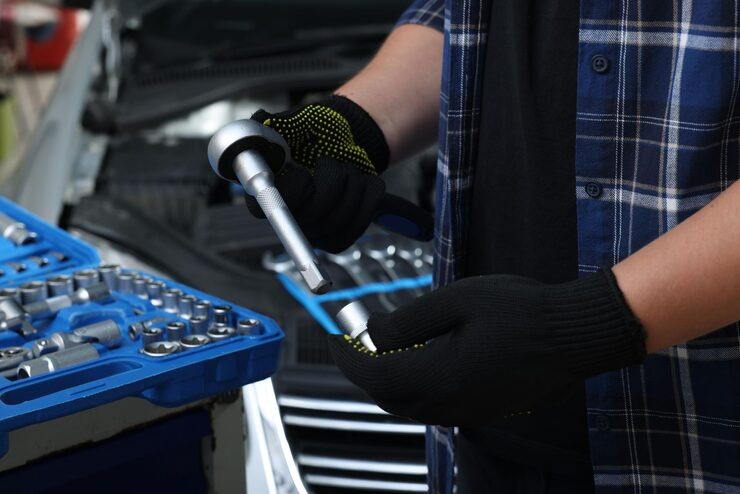
In industrial and mechanical environments, precision is essential. Whether technicians are assembling machinery, maintaining equipment, or performing repairs, the accuracy of the tools they use directly impacts performance and safety. Among these tools, torque wrenches play a crucial role in ensuring bolts and fasteners are tightened to the correct specifications. However, like any precision instrument, torque wrenches can gradually lose their accuracy over time. This is why maintenance programs regularly include Torque Wrench Calibration Services as a critical component of quality control.
Calibration ensures that torque wrenches deliver the correct amount of force required for specific applications. When these tools become inaccurate, even small deviations can lead to equipment failure, safety risks, and costly downtime. For industries that rely on consistent performance, scheduled calibration is not just recommended—it is essential.
Understanding Torque Wrench Calibration
A torque wrench is designed to apply a precise level of rotational force when tightening bolts or fasteners. If the applied torque is too low, the fastener may loosen during operation. If it is too high, the bolt or component could become damaged or fail prematurely.
This is where Torque Wrench Calibration Services become important. Calibration involves testing the torque wrench against certified measurement standards to verify its accuracy. If the tool does not meet the required specifications, technicians adjust it so that it produces the correct torque output.
Routine calibration ensures that tools remain reliable, helping maintenance teams maintain consistent assembly quality and equipment performance.
Why Maintenance Programs Require Calibration
Maintenance programs are designed to prevent equipment failure, improve operational efficiency, and maintain safety standards. Torque wrenches are frequently used in maintenance tasks, which means their accuracy must be verified regularly.
Including Torque Wrench Calibration Services in maintenance schedules offers several advantages:
1. Improved Equipment Reliability
Fasteners hold critical components together in many types of machinery. If they are not tightened correctly, vibrations and operational stress can cause them to loosen or fail. Accurate torque tools ensure proper fastening, improving the reliability and longevity of equipment.
2. Enhanced Safety
Improperly tightened bolts can lead to serious safety hazards. In industries such as manufacturing, construction, and energy production, equipment failure caused by inaccurate torque can lead to accidents or injuries. Regular calibration ensures technicians apply the correct torque every time.
3. Compliance with Industry Standards
Many industries must comply with strict quality and safety standards such as ISO and other regulatory requirements. Documentation from Torque Wrench Calibration Services helps organizations demonstrate compliance during audits and inspections.
4. Reduced Maintenance Costs
Unexpected equipment failures often result in expensive repairs and operational downtime. By ensuring torque tools are calibrated, maintenance teams can prevent issues before they escalate into larger problems.
5. Consistent Product Quality
For manufacturers, product consistency is essential. Accurate torque values ensure components are assembled uniformly across production lines, preventing defects and maintaining high-quality standards.
When Torque Wrenches Should Be Calibrated
Maintenance teams often establish calibration intervals based on usage frequency, manufacturer recommendations, and operational conditions. In general, torque wrenches should be calibrated:
- After a specific number of uses or cycles
- Every 6 to 12 months as part of routine maintenance
- After the tool has been dropped or subjected to impact
- If inconsistent torque readings are observed
- Before critical assembly projects
Scheduling Torque Wrench Calibration Services at regular intervals helps organizations maintain tool accuracy and avoid unexpected errors during maintenance tasks.
The Calibration Process
Professional calibration laboratories follow strict procedures to verify and adjust torque wrenches. The process typically includes:
- Inspection – Technicians inspect the tool for physical damage or wear.
- Testing – The wrench is tested on specialized calibration equipment to measure its torque output.
- Adjustment – If the readings are outside acceptable limits, the wrench is adjusted.
- Verification – The tool is retested to confirm accuracy.
- Documentation – A calibration certificate is issued for compliance and recordkeeping.
Working with experienced professionals ensures the calibration process meets industry standards and provides reliable results.
Choosing a Professional Calibration Provider
Not all calibration providers offer the same level of accuracy and expertise. When selecting a service provider, companies should consider the following factors:
- Certified technicians with industry experience
- Advanced calibration equipment
- Traceability to national or international standards
- Detailed calibration reports and documentation
- Fast turnaround times to minimize downtime
A trusted provider such as Industrial Scale & Measurement offers comprehensive calibration solutions designed to support maintenance teams and industrial operations. Their technicians specialize in precision measurement and calibration services to help organizations maintain compliance and operational accuracy. Businesses can learn more by visiting Industrial Scale & Measurement.
How Calibration Supports Preventive Maintenance
Preventive maintenance programs aim to identify and resolve potential problems before they disrupt operations. Calibration plays a vital role in this strategy because accurate measurement tools help technicians detect issues early.
For example, if a torque wrench is not calibrated properly, maintenance teams may unknowingly apply incorrect torque values, leading to loose components or damaged parts. By including Torque Wrench Calibration Services in maintenance programs, organizations can maintain tool accuracy and prevent costly mechanical failures.
Additionally, calibrated tools improve the efficiency of maintenance teams. Technicians can work with confidence, knowing their equipment produces reliable results every time.
Partnering with Experts for Calibration Needs
Maintaining accurate tools requires professional expertise and specialized equipment. Partnering with experienced calibration professionals ensures torque wrenches are tested and adjusted according to strict industry standards.
Organizations that prioritize calibration benefit from improved safety, consistent product quality, and reduced operational risks. If your company needs expert calibration support, consider scheduling Torque Wrench Calibration Services with trained specialists who understand the importance of precision measurement.
For assistance or scheduling service, visit the Contact us page at You can also explore more details about Torque Wrench Calibration Services.
Conclusion
Torque wrenches are essential tools used across many industries to ensure fasteners are tightened correctly. However, even high-quality tools can lose accuracy over time due to frequent use, environmental conditions, or mechanical wear.
By including Torque Wrench Calibration Services in maintenance programs, organizations can ensure consistent torque accuracy, improve safety, and maintain compliance with industry standards. Calibration also supports preventive maintenance strategies by reducing equipment failures and enhancing operational reliability.
For maintenance teams striving to achieve precision and efficiency, routine torque wrench calibration is not just a best practice—it is a necessity.
FAQs
1. What are Torque Wrench Calibration Services?
Torque Wrench Calibration Services involve testing and adjusting torque wrenches to ensure they apply the correct amount of force according to specified standards.
2. How often should a torque wrench be calibrated?
Most experts recommend calibration every 6 to 12 months or after a certain number of uses, depending on the tool’s workload and manufacturer guidelines.
3. Why is torque accuracy important?
Accurate torque ensures fasteners are tightened correctly, preventing equipment damage, component failure, and safety hazards.
4. Can torque wrenches lose accuracy over time?
Yes. Regular use, environmental factors, and accidental impacts can affect a torque wrench’s accuracy, which is why periodic calibration is necessary.
5. Who should perform torque wrench calibration?
Calibration should be performed by trained technicians using certified equipment to ensure accurate measurements and compliance with industry standards.