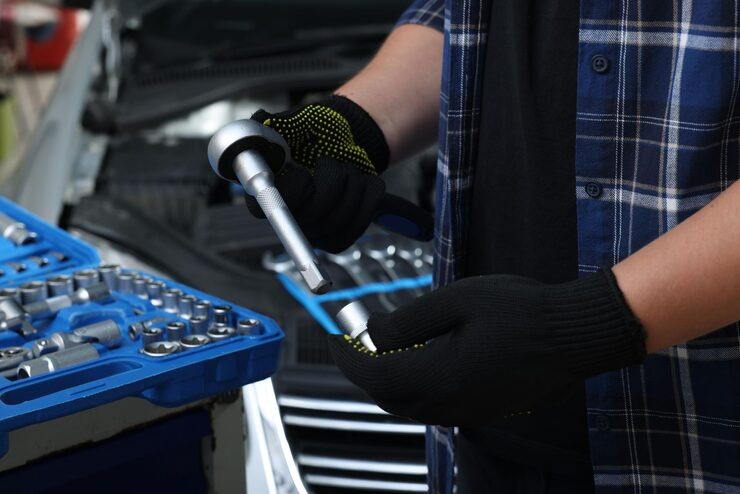
Torque wrenches are essential precision tools used across industries such as automotive manufacturing, aerospace, construction, heavy machinery, and industrial maintenance. Their primary function is to apply a specific amount of torque to fasteners, ensuring components are secured correctly without damage or failure. However, like all precision instruments, torque wrenches do not remain accurate forever. Understanding when torque wrenches require recalibration is critical for maintaining safety, quality control, and regulatory compliance.
This article explores the reasons recalibration is necessary, warning signs to watch for, recommended schedules, and why professional Torque Wrench Calibration Services play a vital role in industrial operations.
Why Torque Wrench Accuracy Is Critical
Incorrect torque application can lead to serious consequences. Under-torquing may cause bolts to loosen over time, while over-torquing can stretch fasteners, damage threads, or compromise structural integrity. In regulated industries, inaccurate torque values can also result in audit failures, rejected products, or costly recalls.
Routine recalibration ensures that torque wrenches continue to deliver precise and repeatable results, protecting both equipment and personnel.
Key Reasons Torque Wrenches Require Recalibration
1. Normal Wear and Tear
Every time a torque wrench is used, its internal components experience stress. Springs lose tension, mechanical parts wear down, and accuracy gradually drifts. Even when handled correctly, long-term usage alone makes Torque Wrench Calibration Services a necessity.
2. High Usage Frequency
Torque wrenches used in production lines or daily maintenance operations may reach thousands of torque cycles in a short period. Many manufacturers recommend recalibration after a set number of uses—often between 3,000 and 5,000 cycles—regardless of how new the tool appears.
3. Accidental Drops or Impact
Dropping a torque wrench is one of the fastest ways to compromise its accuracy. Even minor impacts can shift internal alignment without visible damage. After any drop or mechanical shock, recalibration should be performed before further use.
4. Exposure to Harsh Environmental Conditions
Torque tools used in extreme temperatures, high humidity, dusty environments, or chemical-heavy settings are more prone to calibration drift. These conditions accelerate wear and reduce measurement reliability, increasing the need for frequent Torque Wrench Calibration Services.
5. Inconsistent Torque Results
If fasteners are failing inspections, loosening prematurely, or showing signs of stress, inaccurate torque readings may be the cause. These inconsistencies are often early indicators that recalibration is overdue.
Recommended Recalibration Intervals
Although recalibration frequency depends on usage and industry requirements, general best practices include:
- Every 6–12 months for standard industrial use
- Every 3–6 months for safety-critical or precision applications
- Immediately after repairs, adjustments, or impact damage
- Prior to major audits or compliance inspections
Following a documented recalibration schedule improves traceability and simplifies quality audits.
Industry Standards and Compliance Requirements
Many industries operate under strict quality systems that require calibrated tools. Standards such as ISO, ANSI, and ASTM often mandate traceable calibration records. Professional providers deliver calibration certificates, detailed reports, and traceability to national or international standards.
Businesses relying on certified Torque Wrench Calibration Services are better prepared to meet regulatory demands and customer expectations.
Why Professional Calibration Services Matter
While simple in-house checks may identify obvious issues, they rarely match the precision and documentation provided by ISO-accredited facilities. Investing in professional torque wrench calibration services offers several critical advantages:
- Verified accuracy across the full torque range: Ensuring your tools meet strict manufacturer specifications.
- Certified documentation for audits: Providing a traceable calibration certificate required for industry inspections and quality compliance.
- Early detection of mechanical defects: Identifying internal wear before it leads to a catastrophic tool failure.
- Extended tool lifespan: Maintaining the integrity of your equipment through expert torque tool maintenance.
- Reduced downtime and rework costs: Preventing the expensive errors associated with improper fastening.
Many organizations trust experienced providers like Torque Wrench Calibration Services to maintain consistent tool performance and regulatory compliance across their entire inventory.
Choosing the Right Calibration Partner
A reliable calibration provider should offer modern equipment, skilled technicians, and transparent reporting. Working with a trusted company ensures that torque tools remain dependable and audit-ready.
Businesses across multiple sectors rely on Industrial Scale & Measurement for professional calibration solutions and measurement expertise. Their services support operational accuracy while aligning with recognized quality standards.
Industrial Scale & Measurement is widely known for helping organizations reduce risk, improve efficiency, and maintain confidence in their measurement systems.
Best Practices to Extend Calibration Accuracy
While recalibration is unavoidable, proper handling can slow accuracy drift:
- Store torque wrenches at their lowest setting
- Never use them as breaker bars
- Avoid dropping or striking the tool
- Keep tools clean and protected from moisture
- Follow manufacturer usage guidelines
These habits help reduce unnecessary recalibration and maintain reliable torque performance.
Conclusion
Knowing when torque wrenches require recalibration is essential for maintaining safety, accuracy, and compliance. Regular use, environmental exposure, impact damage, and time all contribute to calibration drift. Ignoring recalibration increases the risk of fastener failure, audit issues, and costly downtime.
For reliable results and certified accuracy, working with a professional provider is the safest approach. If you need expert guidance or calibration support,
Contact us to ensure your torque tools meet industry standards and perform as expected.
Frequently Asked Questions (FAQs)
1. How often should torque wrenches be recalibrated?
Most torque wrenches should be recalibrated every 6–12 months, or sooner if used frequently or exposed to harsh conditions.
2. Does dropping a torque wrench require recalibration?
Yes. Any drop or impact can affect internal accuracy, even if there is no visible damage.
3. Are new torque wrenches already calibrated?
New torque wrenches are factory-calibrated, but verification before critical use is strongly recommended.
4. What happens if recalibration is skipped?
Skipping recalibration can lead to inaccurate torque application, safety risks, compliance failures, and increased maintenance costs.
5. Why use professional Torque Wrench Calibration Services?
Professional services provide certified accuracy, traceable documentation, and compliance with recognized industry standards that in-house checks cannot guarantee.