Waterproofing is an essential aspect of construction and property maintenance, ensuring that buildings remain protected from moisture damage. As technology and materials evolve, the future of waterproofing is becoming increasingly innovative. This article explores new trends and innovations in waterproofing products, highlighting how they can benefit your property and enhance protection against water intrusion.
1. Smart Waterproofing Solutions
One of the most exciting advancements in waterproofing technology is the emergence of smart waterproofing solutions. These systems integrate sensors and monitoring technology to provide real-time data on moisture levels and potential leaks. Here are some key features:
-
Moisture Sensors: These sensors can be installed in critical areas, such as basements and crawl spaces, to detect humidity and moisture levels. If conditions exceed a predetermined threshold, alerts can be sent to homeowners or property managers, allowing for immediate action.
-
Automated Systems: Some smart waterproofing systems can automatically activate pumps or dehumidifiers when high moisture levels are detected. This proactive approach helps prevent water damage before it occurs, ultimately saving time and money on repairs.
-
Remote Monitoring: With the rise of smart home technology, waterproofing systems can be monitored remotely via smartphones or computers. Homeowners can track their property’s moisture levels from anywhere, providing peace of mind and a sense of control.
2. Eco-Friendly Waterproofing Products
As environmental awareness continues to grow, the demand for eco-friendly waterproofing products is on the rise. Many manufacturers are now focusing on sustainable materials and practices, offering solutions that are both effective and environmentally friendly. Key trends include:
-
Biodegradable Materials: Innovations in biodegradable waterproofing products reduce the environmental impact of construction and maintenance. These materials break down naturally over time, minimizing landfill waste.
-
Low-VOC and No-VOC Options: Volatile organic compounds (VOCs) can contribute to indoor air pollution and have harmful effects on health. Manufacturers are increasingly offering low-VOC and no-VOC waterproofing products, making them safer for both the environment and occupants.
-
Recycled Materials: Using recycled materials in waterproofing products is another trend gaining traction. Many companies are now producing membranes and sealants from recycled plastics or other sustainable sources, reducing the overall carbon footprint.
3. Advanced Waterproofing Membranes
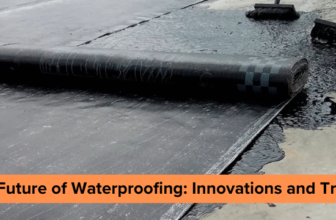
The development of advanced waterproofing membranes has revolutionized the industry. These membranes offer superior protection and adaptability compared to traditional options. Key innovations include:
-
Self-Adhering Membranes: These membranes have an adhesive backing that allows for easy installation without the need for additional adhesives. They create a strong bond with the substrate, providing a reliable barrier against moisture.
-
Hybrid Membranes: Combining the benefits of different materials, hybrid membranes offer enhanced performance. For example, some membranes combine the flexibility of rubber with the durability of reinforced materials, providing a robust solution for various applications.
-
Liquid Membranes: Liquid-applied membranes create a seamless barrier that can conform to complex shapes and surfaces. This flexibility makes them ideal for areas with intricate details, ensuring complete coverage and protection against water infiltration.
4. Waterproofing Chemicals and Additives
Innovations in waterproofing chemicals and additives have also contributed to improved performance and durability. These products enhance the water resistance of concrete and masonry, making them crucial for effective waterproofing. Consider the following trends:
-
Nano-Technology: The use of nanotechnology in waterproofing chemicals allows for the creation of products that penetrate deeper into materials, providing enhanced protection against moisture. These advanced formulations can improve adhesion and flexibility while reducing the risk of cracking.
-
Hydrophobic and Oleophobic Treatments: New treatments that repel both water and oil have emerged, making surfaces easier to clean and maintain. These coatings create a barrier that prevents dirt and grime from adhering, contributing to the longevity of waterproofed surfaces.
-
Eco-Friendly Additives: Many manufacturers are developing eco-friendly waterproofing chemicals that do not compromise on performance. These products often contain natural ingredients that provide effective moisture resistance while minimizing environmental impact.
5. Focus on Comprehensive Systems
The future of waterproofing is moving toward comprehensive systems that integrate multiple products and techniques to provide holistic protection. These systems may include:
-
Integrated Drainage Solutions: Combining waterproofing membranes with effective drainage systems ensures that water is efficiently managed. This integrated approach prevents water accumulation and minimizes the risk of damage.
-
Multi-Layered Systems: Utilizing multiple layers of waterproofing products enhances protection. For example, a combination of liquid membranes, sheets, and coatings can create a robust defense against water intrusion.
-
Design and Construction Collaboration: Architects and builders are increasingly collaborating to design structures that prioritize waterproofing from the outset. By considering waterproofing in the early stages of construction, they can develop more effective solutions tailored to the building’s specific needs.
Conclusion
As technology and materials continue to evolve, the future of waterproofing holds great promise. Innovations such as smart waterproofing solutions, eco-friendly products, advanced membranes, and comprehensive systems are transforming the industry. By staying informed about these trends, property owners and builders can make educated decisions that enhance protection against water damage.
Embracing these innovations not only safeguards properties but also contributes to a more sustainable and resilient future in construction and maintenance. Investing in cutting-edge waterproofing solutions today will ensure your property remains protected for years to come, regardless of the weather conditions it faces.