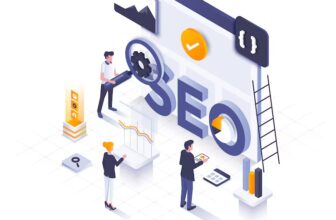
In the modern digital economy, visibility on search engines is critical for business success. Whether you run a blog, an e-commerce store, or a service-based company, getting found online can significantly impact your revenue and brand growth. Two of the most popular strategies for gaining visibility on search engines are SEO (Search Engine Optimization) and Google Ads.
Both methods can drive targeted traffic to your website, but they operate in completely different ways. While SEO focuses on earning organic rankings over time, Google Ads provides instant visibility through paid advertising.
This guide explains the key differences between SEO and Google Ads, their benefits, limitations, costs, and how businesses can use them strategically.
Understanding SEO
Search Engine Optimization (SEO) is the practice of improving a website so it appears higher in organic search results when users search for relevant keywords.
SEO aims to make your website more attractive to search engines by optimizing content, structure, and authority. When your website ranks higher organically, you can attract visitors without paying for each click.
Core Elements of SEO
1. Keyword Research
Keyword research helps identify what users are searching for online. By targeting the right keywords, businesses can create content that matches user intent.
2. Content Optimization
Search engines prioritize high-quality, informative, and relevant content. SEO content includes blog posts, landing pages, guides, and product descriptions optimized for search queries.
3. Technical SEO
Technical SEO ensures that search engines can crawl and index your website efficiently. This includes optimizing page speed, mobile responsiveness, website structure, and security.
4. Link Building
Backlinks from authoritative websites signal credibility to search engines. A strong backlink profile can significantly improve rankings.
Understanding Google Ads
Google Ads is a paid advertising platform where businesses bid on keywords to display their ads in search results.
When users search for certain keywords, Google runs an auction among advertisers. The ads with the best combination of bid amount and quality score appear at the top of the results page.
Advertisers pay only when users click on their ads, making it a Pay-Per-Click (PPC) advertising model.
Types of Google Ads Campaigns
Businesses can run different types of campaigns depending on their goals:
-
Search Ads – Ads appearing on search engine results pages
-
Display Ads – Banner ads appearing across websites
-
Shopping Ads – Product listings for e-commerce stores
-
Video Ads – Ads appearing on video platforms
-
Performance Max Campaigns – Automated campaigns across multiple platforms
Google Ads allows businesses to target users based on location, device, search intent, and demographics.
SEO vs Google Ads: Major Differences
| Traffic Source | Organic | Paid |
| Cost Model | Investment in optimization | Pay per click |
| Speed of Results | Slow but sustainable | Instant results |
| Long-Term Value | High | Limited once ads stop |
| Control | Limited control over rankings | Full campaign control |
| Credibility | Higher user trust | Lower trust compared to organic results |
Understanding these differences helps businesses choose the right approach based on their marketing goals.
Benefits of SEO
Sustainable Traffic Growth
SEO can generate continuous traffic without paying for every visitor. Once content ranks well, it can bring visitors for years.
Strong Brand Authority
Websites that consistently appear in organic search results build credibility and trust among users.
Higher Click-Through Rates
Many users skip ads and prefer clicking on organic results because they believe those results are more relevant.
Long-Term ROI
Although SEO requires time and investment, it usually delivers a higher return on investment over the long term.
Benefits of Google Ads
Immediate Visibility
Google Ads can start delivering traffic as soon as your campaign launches. This makes it ideal for new businesses that need quick exposure.
Precise Targeting
Advertisers can target specific audiences based on location, age group, interests, and search intent.
Flexible Budget Control
Businesses can set daily budgets and control how much they spend on advertising.
Detailed Performance Tracking
Google Ads provides detailed analytics, including clicks, conversions, cost per click, and return on ad spend.
Limitations of SEO
Despite its benefits, SEO also has some challenges:
Slow Results
It may take several months before a website starts ranking for competitive keywords.
Algorithm Updates
Search engines frequently update their algorithms, which can affect rankings and traffic.
Competitive Industries
Some industries have extremely competitive keywords that require strong content and backlinks to rank.
Limitations of Google Ads
Google Ads also comes with certain disadvantages.
Ongoing Costs
Once you stop paying for ads, traffic stops immediately.
Increasing Competition
Highly competitive keywords can become expensive, making it difficult for small businesses to compete.
Ad Fatigue
Users may ignore ads after seeing them repeatedly.
Cost Comparison: SEO vs Google Ads
The cost structures of SEO and Google Ads are very different.
SEO costs usually involve:
-
Content creation
-
Website optimization
-
SEO tools
-
Link-building efforts
Google Ads costs depend on:
-
Cost per click (CPC)
-
Campaign management
-
Landing page optimization
In some industries, a single click can cost hundreds of rupees. With SEO, however, ranking for the same keyword can generate thousands of free clicks over time.
Which Strategy Is Best for New Websites?
New websites often struggle to rank quickly in organic search results. In such cases, Google Ads can provide immediate traffic while SEO strategies are being implemented.
A common strategy is to run Google Ads for the first few months while simultaneously building SEO content.
When Businesses Should Focus on SEO
SEO is ideal for businesses that:
-
Want long-term traffic growth
-
Publish regular content
-
Aim to build strong brand authority
-
Operate with limited advertising budgets
Blogs, media websites, SaaS companies, and informational websites benefit greatly from SEO.
When Businesses Should Focus on Google Ads
Google Ads works best when businesses need:
-
Immediate traffic and leads
-
Fast product promotion
-
Seasonal marketing campaigns
-
Quick testing of marketing ideas
E-commerce stores, local services, and startups often use Google Ads to generate fast results.
The Smart Approach: Use SEO and Google Ads Together
Instead of choosing between SEO and Google Ads, many successful businesses use both strategies together.
Benefits of Combining Both Strategies
Better keyword insights
Paid campaigns reveal which keywords convert best.
Increased search visibility
Businesses can appear in both paid and organic results.
Faster growth
Google Ads drives immediate traffic while SEO builds long-term authority.
Improved marketing strategy
Data from paid campaigns can guide future SEO content planning.
Future of Search Marketing
Search marketing continues to evolve as artificial intelligence and user behavior change how people search online.
Businesses that succeed in the future will focus on:
-
High-quality content
-
Fast and user-friendly websites
-
Data-driven advertising strategies
-
Combining organic and paid search marketing
Companies that invest in both SEO and paid advertising will have a stronger competitive advantage in the digital marketplace.
Conclusion
The debate between SEO and Google Ads is not about choosing one over the other. Both strategies serve different purposes and can complement each other effectively.
SEO is a long-term investment that builds sustainable traffic and brand authority, while Google Ads provides immediate visibility and fast results.
For most businesses, the best strategy is a balanced approach—leveraging the long-term power of SEO while using Google Ads to capture quick opportunities and generate instant traffic.