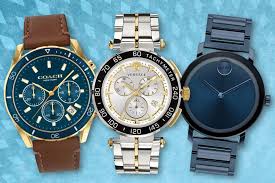
Up until the flare-up of World War 1, the wristwatch was considered a woman’s accessory. However, in the hotness of fight, soldiers observed they lacked the opportunity to fish around for a pocket watch. So the men’s wristwatch was born After the conflict, this better approach for wearing a watch transitioned into non military personnel use. At first derided by general society as a silly pattern, men’s wristwatches soon turned into the standard and their common sense made pocket watches obsolete.Nowadays, some could contend that wristwatches are becoming obsolete. All things considered, the skeptic would ask why a man needs a watch when he could easily check his telephone for the time.I needn’t bother with a watch because I have a telephone” is a typical response from a now questioning the adverse age effects of constant cellphone use. Truly, consistently fishing in your pocket for a phone just to check the time looks desperate.A fast look towards your wrist is a lot classier method for monitoring time during a date or a gathering. Not to mention the way in which impolite apparently to your companions assuming that you took out your telephone during a conversation.On different occasions where it’s advisable to leave the telephone covered – like the ocean side, a burial service or a wedding, a watch is a significantly more subtle and helpful method for checking the time.The best watches don’t use the latest microchips. They are fueled by ingenious mechanical precision innovation that predates power. So when your cellphone runs out of battery – you can trust the innovation that keeps running on your wrist.One of the enormous advantages of a watch – especially over a smartphone – is the means by which long it can work in the field. Many watches are made to either be self-muscled through movement or use a small measure of energy from a battery. Consider years support spare energy telling… ..contrast that with a smartphone’s 8 hours!