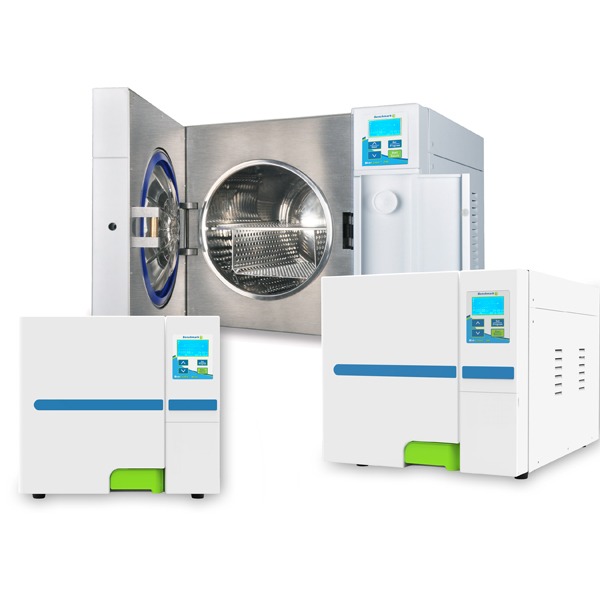
When you need to sterilize laboratory materials reliably, a laboratory autoclave can become an essential part of your workflow. By using saturated steam under controlled pressure and temperature, an autoclave helps destroy microorganisms on compatible materials and supports safer laboratory practices.
Whether you work in a research laboratory, microbiology facility, pharmaceutical environment, healthcare setting, educational institution, or industrial testing facility, selecting the right autoclave requires careful consideration. You need to look beyond chamber size and price. Your decision should account for the materials you process, workload, available space, safety requirements, cycle options, maintenance, and long-term support.
This guide explains what a laboratory autoclave does, where you can use it, which features matter most, and how you can choose equipment that fits your laboratory’s needs.
What Is a Laboratory Autoclave?
A laboratory autoclave is a sterilization device that uses pressurized saturated steam to treat compatible laboratory materials. Pressure allows steam to reach temperatures higher than those possible under normal atmospheric conditions. The combination of heat, moisture, pressure, and exposure time helps destroy microorganisms.
You can find autoclaves in several configurations, including tabletop, vertical, horizontal, and larger-capacity models. Depending on the design, your equipment may include programmable cycles, digital controls, automatic air removal, drying functions, alarms, safety interlocks, and cycle-recording capabilities.
The right system depends on your application. You should always confirm that the material you plan to process can withstand heat, moisture, and pressure before placing it inside an autoclave.
How Does a Laboratory Autoclave Work?
The sterilization process involves several controlled stages.
You first load compatible materials into the chamber. The system then removes or displaces air before introducing steam. Once the required temperature and pressure are achieved, the sterilization phase begins.
During this phase, the load remains exposed to saturated steam for a specified period. The combination of temperature and exposure time supports effective microbial destruction.
After the sterilization stage, pressure is released in a controlled manner. Depending on the model and selected program, the autoclave may then complete a drying cycle.
You should not assume that reaching a specific pressure alone guarantees effective sterilization. Proper loading, steam penetration, cycle selection, exposure time, equipment condition, and appropriate monitoring all influence performance.
Common Uses of Laboratory Autoclaves
You can use an autoclave for many applications involving heat- and moisture-resistant materials.
Sterilizing Laboratory Glassware
Compatible glass bottles, flasks, containers, and other laboratory glassware can often be sterilized using steam. You should arrange items properly so steam can circulate around the surfaces that need treatment.
Sterilizing Culture Media
Microbiology laboratories frequently use autoclaves for suitable culture media and related materials. Selecting an appropriate cycle helps provide the necessary sterilization conditions while reducing the risk of damaging the material.
Processing Laboratory Instruments
Some reusable stainless-steel instruments and laboratory tools can be sterilized in an autoclave. Always check the manufacturer’s instructions before processing instruments, particularly those containing plastics, electronics, coatings, or other heat-sensitive components.
Treating Certain Laboratory Waste
Autoclaves may be used to treat appropriate biological laboratory waste before disposal. Waste should be segregated and placed in suitable containers according to your facility’s procedures and applicable requirements.
Supporting Research and Education
Research institutions, universities, pharmaceutical laboratories, biotechnology facilities, and industrial laboratories can use autoclaves as part of their routine sterilization processes.
Important Laboratory Autoclave Features
When you compare equipment, focus on features that directly affect safety, performance, usability, and operating efficiency.
Chamber Capacity
Capacity should match your typical workload. A chamber that is too small may require frequent cycles, while excessive capacity can increase equipment cost and consume valuable laboratory space.
Consider how much material you sterilize per cycle and how frequently you operate the equipment. You should also account for future increases in workload.
Temperature Control
Accurate temperature control is essential for repeatable steam sterilization. Look for equipment that provides clear temperature monitoring and appropriate control throughout the cycle.
Programmable temperature settings can make routine operation easier, particularly when you process different types of compatible loads.
Pressure Control
Because autoclaves operate under pressure, reliable pressure monitoring and control are important. A clear display can help you monitor the cycle and identify unusual operating conditions.
Safety Interlocks
Safety should be a major consideration when choosing your equipment. Useful safety features may include door interlocks, pressure monitoring, temperature monitoring, alarms, automatic shutdown functions, and controlled pressure release.
The door should remain secured whenever chamber conditions could create a hazard. You should never attempt to bypass safety mechanisms.
Programmable Cycles
Programmable cycles allow you to select operating parameters according to the load. This can improve consistency and reduce the need for repeated manual adjustments.
If several people use the same autoclave, intuitive controls can also make training and routine operation easier.
Drying Function
Some laboratory materials benefit from drying after sterilization. If your workflow involves instruments, containers, or other items where excess moisture is undesirable, consider whether a drying cycle would be useful.
Digital Monitoring and Records
If your laboratory requires documented sterilization cycles, consider equipment with monitoring or data-recording capabilities.
Depending on the model, you may be able to track information such as temperature, pressure, cycle duration, alarms, and completion status. Review your laboratory’s documentation requirements before selecting a system.
How to Select the Right Laboratory Autoclave
Choosing the right equipment becomes easier when you start with your actual workflow.
1. Identify What You Need to Sterilize
Make a list of the materials you expect to process. These may include glassware, laboratory instruments, culture media, containers, reusable items, or suitable biological waste.
Determine which materials require similar processing conditions and which may need different cycles.
2. Estimate Your Daily Workload
Consider how frequently you will operate the autoclave. If your laboratory runs multiple cycles each day, capacity, cycle duration, loading convenience, and automation can have a significant impact on productivity.
Avoid choosing capacity based only on occasional maximum loads. Your normal workload should be the primary consideration.
3. Measure Your Available Space
Before purchasing equipment, measure the proposed installation area. Consider the footprint of the autoclave as well as clearance for loading, unloading, door movement, cleaning, and maintenance.
You should also review the manufacturer’s requirements for electrical connections, water supply, drainage, ventilation, and other utilities.
4. Evaluate Safety Requirements
Consider who will operate the equipment and what types of materials they will process. Choose a system with safety features appropriate to your application.
Operator training is equally important. Even an advanced autoclave requires users to understand loading procedures, cycle selection, unloading precautions, and emergency procedures.
5. Consider Maintenance and Service
Routine maintenance helps keep sterilization equipment operating reliably. Before purchasing, ask about cleaning requirements, preventive maintenance, replacement components, calibration, technical support, and service availability.
A dependable supplier can make equipment ownership easier over the long term.
6. Compare Automation
Automation can help simplify repetitive sterilization processes. Consider automatic air removal, steam control, cycle management, alarms, drying, and digital monitoring according to your requirements.
You should choose automation based on genuine workflow needs rather than selecting unnecessary features that increase complexity or cost.
7. Review Supplier Support
The supplier you choose can be just as important as the equipment itself. Look for product documentation, technical assistance, spare-part availability, installation support, and after-sales service.
For laboratory equipment sourcing, you can explore laboratory equipment and sterilization solutions from Global Lab Supply to compare options that may suit your application.
If you need assistance evaluating your requirements, use contact our laboratory equipment specialists for product guidance to discuss capacity, application, configuration, and other selection considerations.
Best Practices for Using a Laboratory Autoclave
Correct operation is essential for safe and consistent results.
Start by reviewing the manufacturer’s instructions and your laboratory’s standard operating procedures. Confirm that every item in the load is suitable for steam sterilization.
Avoid overloading the chamber. Crowded loads can restrict steam circulation and may prevent proper exposure of some surfaces. Arrange materials to allow steam to reach the load effectively.
Use appropriate containers and packaging. Do not tightly seal containers in a way that prevents pressure equalization. Liquids require particular care because they can remain extremely hot after a cycle has finished.
When unloading, use suitable protective equipment and follow your laboratory’s handling procedures. Give hot materials sufficient time to cool before handling them.
Never force the door open, bypass an interlock, or attempt to remove a load while unsafe chamber conditions remain.
Regular cleaning and maintenance are also important. Follow the manufacturer’s recommended schedule for inspecting seals, cleaning the chamber, checking safety components, and arranging professional servicing when required.
Laboratory Autoclave Validation and Monitoring
For laboratories with strict quality requirements, simply operating an autoclave is not enough. You may need procedures for monitoring, verification, documentation, and maintenance.
The exact requirements depend on your application, facility, and applicable standards or regulations. Your laboratory should establish appropriate procedures for confirming that selected cycles perform as intended.
You should also maintain accurate records when your quality system requires them. Documenting cycle information, maintenance, inspections, and relevant verification activities can help you demonstrate consistent equipment performance.
Laboratory Autoclave vs. Other Sterilization Methods
Steam sterilization is highly useful, but it is not suitable for every laboratory material.
Some materials cannot tolerate high temperatures, moisture, or pressure. Depending on the application, you may instead need dry heat, filtration, chemical methods, or another specialized sterilization technique.
Before choosing a sterilization method, consider material compatibility, required processing conditions, workflow, safety, and applicable laboratory procedures.
An autoclave should therefore be selected as part of your overall sterilization strategy rather than treated as a universal solution.
Common Mistakes to Avoid
You can improve autoclave performance by avoiding several common mistakes.
Overloading the chamber: Excessive loading can restrict steam circulation.
Using the wrong cycle: Different materials may require different processing conditions.
Ignoring compatibility: Not every plastic, chemical, instrument, or container is suitable for autoclaving.
Opening the chamber too quickly: Hot liquids and materials can present burn or pressure-related hazards.
Skipping maintenance: Worn seals, dirty chambers, or neglected components can affect equipment performance.
Ignoring manufacturer instructions: Always follow the specific operating and maintenance guidance supplied with your equipment.
Why Choosing the Right Autoclave Matters
Your autoclave directly influences the consistency and efficiency of your sterilization workflow. An undersized system can create unnecessary delays, while unsuitable cycle options may limit what you can process.
By assessing your load types, capacity requirements, available space, safety needs, automation preferences, maintenance expectations, and supplier support, you can make a more informed purchasing decision.
You should also consider the total cost of ownership rather than focusing only on the initial purchase price. Energy use, maintenance, consumables, service, replacement components, and downtime can all influence the long-term value of your equipment.
Frequently Asked Questions
1. What is a laboratory autoclave used for?
A laboratory autoclave uses pressurized steam to sterilize compatible materials. Common applications include laboratory glassware, culture media, reusable instruments, containers, and certain types of biological laboratory waste.
2. How do you choose the right autoclave capacity?
Assess your normal load size, daily cycle frequency, available space, and future workload. Choose enough capacity to handle routine requirements efficiently without overcrowding the chamber or unnecessarily increasing equipment costs.
3. Can you autoclave all laboratory materials?
No. Materials must tolerate high temperature, moisture, and pressure. Always check manufacturer instructions and laboratory procedures before processing plastics, chemicals, instruments, liquids, or other potentially incompatible materials.
4. Which safety features should you look for?
Look for appropriate door interlocks, pressure and temperature monitoring, alarms, controlled pressure release, and protective mechanisms. Operator training and compliance with established laboratory procedures are also essential.
5. How should you maintain a laboratory autoclave?
Follow the manufacturer’s maintenance schedule. Keep the chamber clean, inspect seals and safety components, monitor equipment performance, and arrange required servicing or calibration. Proper maintenance supports reliable operation and can extend equipment service life.
Final Thoughts
A laboratory autoclave can provide an efficient and dependable method for sterilizing compatible laboratory materials when you select and operate it correctly.
Start by identifying what you need to sterilize and how frequently you will use the equipment. Then evaluate chamber capacity, temperature and pressure control, cycle flexibility, safety features, drying capabilities, installation requirements, maintenance, and supplier support.
Rather than choosing an autoclave based solely on price or size, consider how the equipment will fit into your laboratory’s daily workflow. A properly selected and maintained system can help you establish a safer, more consistent, and more efficient sterilization process.