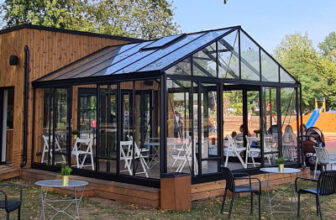
In this article we break down what’s necessary to create a living greenhouse in your backyard or on your patio space.
Basic sizes when building raised beds
– The Basics
A small bed is 12 inches wide by 18 inches long. A medium bed is 18 inches wide by 24 inches long. A large bed is 24 inches wide by 36 inches long.
How to build a raised bed
If you’re looking to add more vegetables to your diet and want to save some space in your garden, a raised bed is the perfect solution. A raised bed simply consists of an elevated plain of soil above ground level, which is great for growing crops like leafy greens, herbs, tomatoes, and potatoes. Here are four tips for building your own raised bed:
- Start by borrowing or renting a piece of land from a friend or neighbor. You can either rent it for a season or keep it permanently if you’re happy with the results.
- Decide what variety of plants you want to grow and research the best soil types for those plants. Young farmers often make the mistake of growing too many varieties of vegetables in one area because they don’t know which type of soil will give them the results they want. Stick to a few backyard favorites and research their specific requirements before beginning.
3.figure out how much soil you’ll need and divide that amount evenly among your prepared beds. Use organic matter such as leaves, straw, or compost when adding these ingredients to your soil; this will help improve its fertility and water retention qualities. Raised Garden Bed If you lack organic matter on your property, purchase
Tips for growing vegetables plants in your raised beds
A raised bed is the perfect way to garden if you want to grow vegetables. Here are some tips on how to make growing vegetables in a raised bed easy:
- Choose the right size of raised bed. A standard 8X8 foot raised bed is about right for most people, but you can make smaller or larger beds if you have the space.
- Build your bed slowly and easily. Don’t try to build it all at once – let it grow as you go. That way, you can make adjustments as needed.
- Plant your vegetables in the fall or winter. The later in the year, the colder the soil will be, which will help keep your plants healthy and growing strong.
- Mulch your beds regularly. This will help keep the moisture in the soil and protect your plants from wind and rain damage. When it’s time to remove mulch, use organic matter that stores water (such as newspapers, hay, leaves, or cedar shavings) instead of synthetic materials like bark chippings or yard waste bags
Growing Vegetables with the Perfect Soil Recipe
If you want to grow vegetables, the best way to do so is by using a well-prepared soil. This type of soil will provide your plants with the nutrients and water they need to thrive and produce healthy crops. One of the most important ingredients in a good soil recipe is organic matter. This helps to improve aeration and drainage, which are key factors in nurturing plant growth. Another important thing to keep in mind when preparing your soil is to add quality elements like compost, Perlite, or aged manure. These additions help to improve your garden’s overall fertility and yield.
Prepping for winter and planting some cool veggies in your warmer months
If you’re prepping for winter, it’s time to think about planting some cool veggies in your warmer months. Raised beds are an excellent way to do this, as they provide essential growing conditions for a variety of vegetables. Here are four of the best raised bed vegetables to start planting now:
- Broccoli: broccoli is a cool season vegetable that can tolerate a lot of heat and humidity. A raised bed will help to provide the optimum growing conditions for broccoli, ensuring abundant crop yields.
- Cabbage: cabbages can also be tricky to grow in subtropical climates, but a raised bed will help to solve these issues. Cabbages love lots of moisture and nutrients, which will be delivered to them via the raised bed soil.
- Sweetcorn: sweet corn is a summertime favorite that thrives in warm weather and plenty of sunshine. A raised bed will help contribute humidity and warmth, which is key for this crop.
- Spinach: spinach is another great choice for a raised bed garden, as it’s known for its dense leaves and stalks. This sturdy vegetable can handlerowdy conditions well, making it an ideal candidate for a raised