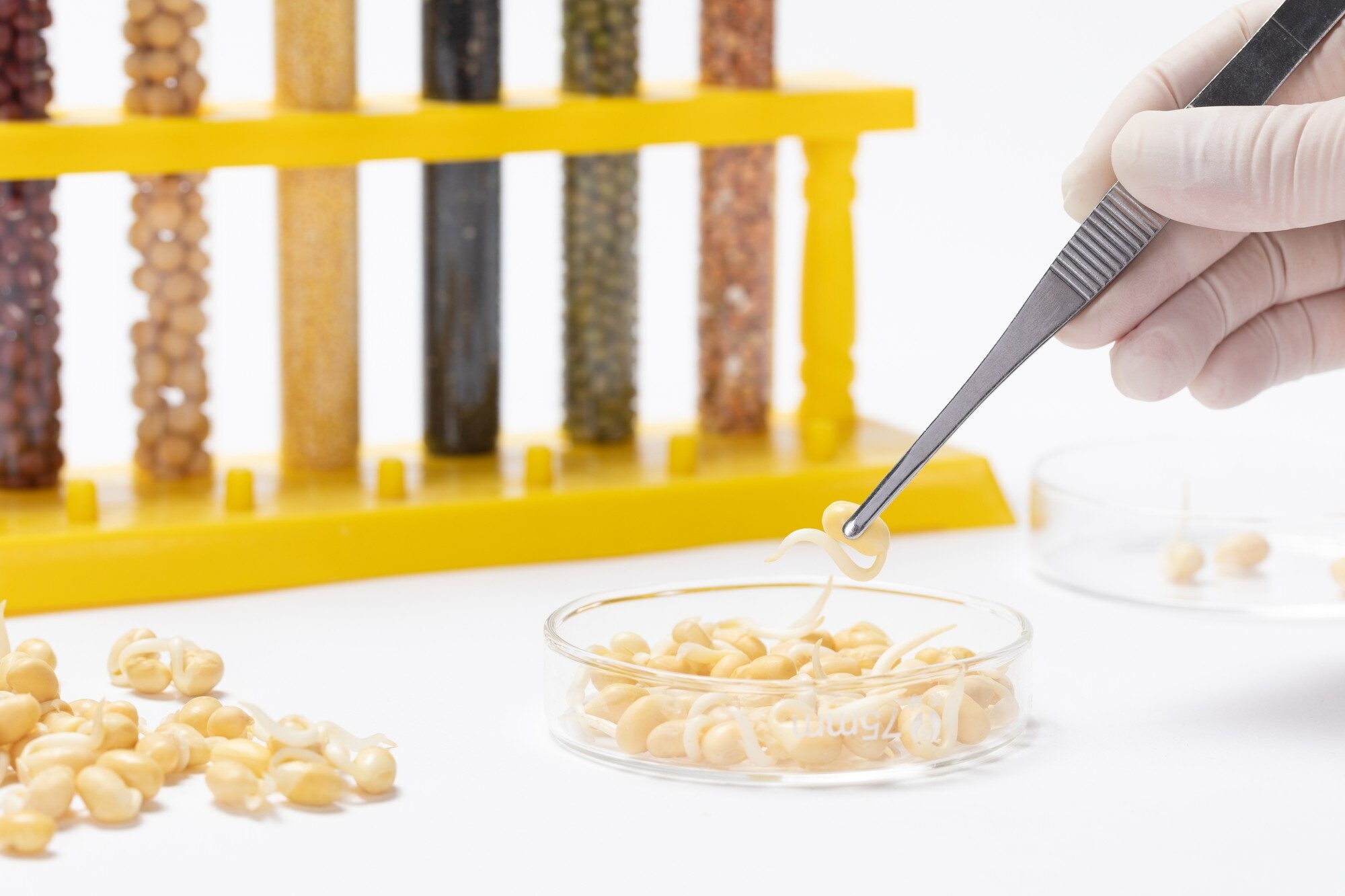
When you work in research, diagnostics, or quality control, you know that precise protein measurement is critical. Proteins are the building blocks of life, driving biological processes, regulating cellular activity, and influencing health outcomes. Any deviation or inaccuracy in protein analysis can significantly affect your results, potentially compromising experiments, diagnostic interpretations, or product quality. That’s why investing in reliable and advanced Protein Analysis Services is essential for your work.
Whether you are analyzing protein expression in a clinical sample, assessing purity in pharmaceutical production, or studying protein interactions in your lab, you need methods that are precise, reproducible, and tailored to your specific needs. By understanding the options available and the critical considerations for protein analysis, you can ensure your results are accurate and actionable.
Why Accurate Protein Analysis Matters for Your Work
Accurate protein analysis directly impacts your efficiency and credibility. Here’s how:
- In Research: You rely on protein quantification to understand cellular mechanisms, protein interactions, and signaling pathways. Incorrect protein measurements can lead to flawed conclusions, wasted time, and misallocation of resources.
- In Diagnostics: Protein levels often serve as biomarkers for diseases. Precise measurements are essential for correct diagnosis, treatment decisions, and patient care. A small error can affect the clinical interpretation, potentially risking patient outcomes.
- In Quality Control: For pharmaceuticals, food products, and biotechnological applications, protein purity, concentration, and integrity are strictly regulated. Accurate protein analysis ensures compliance with standards and guarantees product safety and effectiveness.
By prioritizing accuracy, you reduce errors, increase reproducibility, and strengthen the validity of your results across every application.
Common Challenges You Face in Protein Analysis
When conducting protein analysis, you encounter several obstacles that can compromise your results:
- Sample Complexity: Biological samples often contain a mixture of proteins, nucleic acids, lipids, and other molecules. Differentiating proteins from other components requires sophisticated techniques.
- Protein Instability: Proteins are prone to degradation and denaturation, especially during handling or storage. If not stabilized properly, your measurements may not reflect the true protein content.
- Method Limitations: Different assays and technologies vary in sensitivity, specificity, and quantification range. Choosing an inappropriate method for your protein type or concentration can lead to inaccurate results.
- Data Interpretation: Protein analysis generates complex data sets. Without proper statistical analysis and quality controls, the results can be misleading.
Understanding these challenges helps you choose the right strategy and partner for reliable protein analysis.
Choosing the Right Protein Analysis Services
When selecting a provider for Protein Analysis Services, you should focus on several key factors:
- Technology and Methods: A reputable lab offers multiple techniques, such as ELISA, Western blotting, mass spectrometry, and chromatography, ensuring your sample receives the most accurate analysis.
- Quality Assurance: Look for labs with stringent quality control measures, ISO certifications, and validated protocols. This guarantees reproducibility and confidence in your data.
- Customization: Every sample is unique. The lab should offer tailored solutions to accommodate your specific protein type, concentration, and study goals.
- Turnaround Time: Timely results are critical, especially in diagnostics or high-throughput research. Reliable labs provide efficient processing without sacrificing quality.
- Data Reporting: Comprehensive reports with clear interpretations allow you to make informed decisions, whether for research publications, clinical decisions, or regulatory compliance.
By partnering with a trusted lab, you gain access to expertise, advanced equipment, and high-quality results that save you time and minimize risk.
Techniques You Can Use for Accurate Protein Analysis
Several methods are widely used in research, diagnostics, and quality control, each with its advantages and limitations. Knowing the differences helps you choose the most suitable approach for your project.
1. Spectrophotometric Assays
Spectrophotometric methods, such as the Bradford or BCA assays, are popular for measuring protein concentration. They are fast, cost-effective, and suitable for many sample types. However, interference from other substances in complex samples can affect accuracy.
2. Electrophoresis and Western Blotting
Gel electrophoresis separates proteins by size, while Western blotting identifies specific proteins using antibodies. These methods offer high specificity and are valuable when analyzing protein expression, post-translational modifications, or purity.
3. Chromatography
Techniques like HPLC and size-exclusion chromatography provide detailed separation and quantification of proteins. They are especially useful in pharmaceutical quality control, ensuring product consistency and compliance with regulatory standards.
4. Mass Spectrometry
Mass spectrometry delivers precise protein identification and quantification, even in complex mixtures. It is indispensable for biomarker discovery, proteomics research, and advanced diagnostics.
5. Immunoassays
ELISA and related immunoassays detect proteins with high sensitivity using antibodies. They are commonly applied in diagnostics, vaccine development, and research requiring detection of specific proteins at low concentrations.
By selecting the method suited to your sample type and goals, you improve accuracy and confidence in your findings.
How Quality Control Enhances Your Protein Analysis
Incorporating quality control measures is essential to ensure your results are reliable. Here’s what you should look for:
- Calibration and Standards: Using calibrated instruments and reference standards prevents systematic errors.
- Replicates and Controls: Including positive and negative controls, as well as replicates, helps identify inconsistencies and improve reliability.
- Validation Protocols: Validated protocols ensure that the method performs as expected under your experimental conditions.
- Data Review: Experienced analysts review and interpret the data, confirming accuracy before delivery.
Implementing these measures allows you to trust your results, whether for publication, clinical decision-making, or regulatory compliance.
Making Protein Analysis Work for Your Research and Diagnostics
To maximize the benefits of accurate protein analysis, you should:
- Define Your Objectives: Understand whether your goal is quantification, identification, purity assessment, or functional analysis. Clear objectives help select the right assay and provider.
- Prepare Your Samples Properly: Avoid degradation or contamination by following appropriate storage and handling procedures.
- Choose a Trusted Lab: Partnering with experts ensures advanced technology, strict quality control, and precise interpretation of your results.
- Review and Apply Data: Use the analysis outcomes to refine your experiments, validate diagnostic results, or maintain product quality.
By integrating these practices, you turn protein analysis from a routine task into a powerful tool that supports discovery, reliability, and innovation.
CTA: Partner with Experts for Accurate Protein Analysis Today
When you need precise and dependable protein measurement, don’t risk your research, diagnostics, or product quality. Contact us today through our Contact Form to access specialized protein analysis services designed to provide accurate, reproducible, and actionable results for your lab, clinic, or production facility.
Why Kendrick Labs is the Right Choice for You
At Kendrick Labs, you gain more than just a service—you gain a partner committed to your success. With cutting-edge Protein Analysis Services, you can trust that every sample is handled with expertise, precision, and care. Their team of experienced scientists, advanced equipment, and comprehensive reporting ensures your protein measurements are accurate, reliable, and ready to support your research, diagnostic work, or quality control processes.
By leveraging Kendrick Labs’ services, you save time, reduce errors, and gain confidence in your data. Whether your project involves complex biological samples, clinical biomarkers, or product testing, Kendrick Labs delivers high-quality, actionable protein analysis solutions tailored to your needs.
Accurate protein analysis is more than just measurement—it’s the foundation of reliable research, precise diagnostics, and safe quality control. By choosing the right techniques, following best practices, and partnering with a trusted lab like Kendrick Labs, you ensure your protein data is dependable, meaningful, and impactful.
Your work deserves accuracy, precision, and results you can trust. Start today and make protein analysis a tool that drives your success, not a source of uncertainty.
Contact Us now to schedule your consultation and access expert protein analysis services tailored for your unique needs.